
Blog
FRM Certification in Singapore: Career Path & Industry

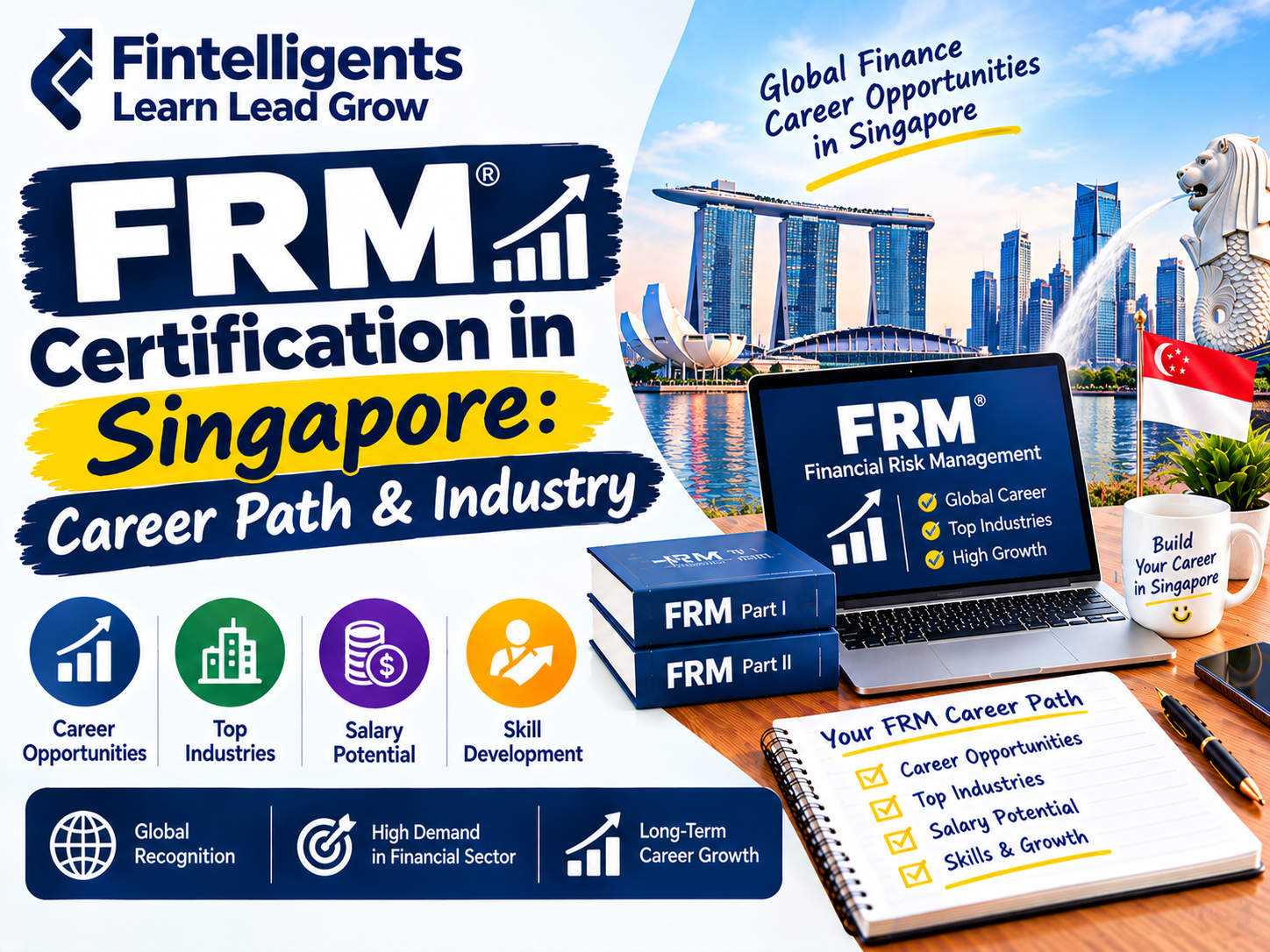
Singapore has become one of Asia’s leading financial hubs. Banks, insurance firms, and asset managers operate here in large numbers. This growth has created strong demand for skilled risk professionals. The FRM Certification in Singapore has become a popular choice for finance professionals who want to specialize in risk management.
This guide explains everything you need to know. You will learn about the certification process, career opportunities, and industry demand in Singapore.
What is the FRM Certification
The Financial Risk Manager (FRM) certification is a global credential. The Global Association of Risk Professionals (GARP) issues this certification. It focuses on risk management topics such as market risk, credit risk, and operational risk.
Professionals use this certification to build careers in risk-focused roles. Many banks and financial institutions recognize the FRM designation worldwide. It signals strong technical knowledge in identifying and managing financial risks.
Who Should Pursue FRM Certification
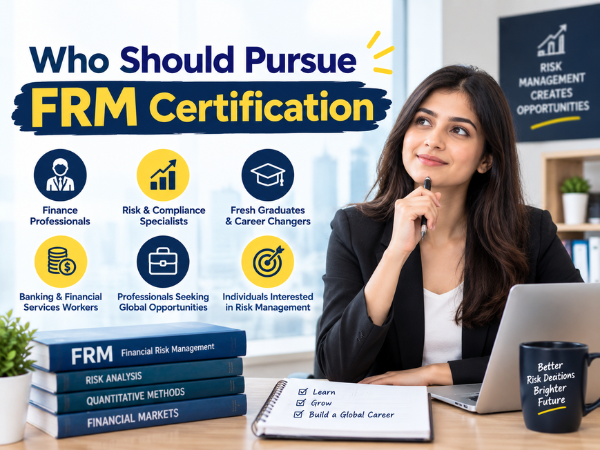
This certification suits finance graduates, working professionals, and risk analysts. It also suits people who want to shift careers into risk management. Anyone interested in banking, insurance, or investment risk can benefit from this credential.
Why FRM Certification Matters in Singapore
Singapore hosts many global banks and financial institutions. These organizations need professionals who understand risk deeply. The FRM Certification in Singapore helps candidates stand out in a competitive job market.
Employers often prefer candidates with globally recognized certifications. FRM holders demonstrate practical risk management skills. This makes them valuable assets for compliance, risk, and audit teams.
Growing Regulatory Focus
Singapore’s financial regulators enforce strict risk management standards. The Monetary Authority of Singapore (MAS) requires strong governance practices. Companies need trained professionals to meet these requirements. FRM-certified individuals fit well into these regulatory-focused roles.
Singapore’s Financial Industry and Risk Management Demand
Singapore’s finance sector contributes significantly to its economy. The country hosts major banks, insurance companies, and asset management firms. This creates consistent demand for risk professionals across sectors.
Digital banking growth has also increased cybersecurity and operational risk concerns. Companies need experts who can manage these evolving challenges. This trend increases opportunities for FRM-certified professionals.
Key Sectors Hiring Risk Professionals
Banks, insurance firms, and fintech companies actively hire risk experts. Asset management firms and hedge funds also need risk specialists. Even government-linked financial institutions look for FRM talent.
FRM Exam Structure and Syllabus
The FRM exam has two parts. Part I focuses on foundational risk management concepts. Part II focuses on advanced risk management applications.
FRM Part I Syllabus
Part I includes five main topics. These are foundations of risk management, quantitative analysis, financial markets, valuation models, and risk models. Candidates must understand these areas thoroughly.
FRM Part II Syllabus
Part II covers deeper application-based topics. These include market risk, credit risk, operational risk, and liquidity risk. It also covers investment management and current market issues.
Eligibility Requirements for FRM
GARP does not require a specific degree for FRM enrollment. However, candidates must complete both exam parts successfully. They also need two years of relevant work experience.
This flexible eligibility attracts candidates from various educational backgrounds. Engineers, commerce graduates, and MBA holders often pursue this certification.
How to Register for the FRM Exam
Candidates must register through the official GARP website. They choose their preferred exam window and location. Singapore offers multiple exam centers for candidate convenience.
Exam Windows Available
GARP typically conducts exams in May and November. Candidates should check official GARP updates for exact dates each year.
Cost of FRM Certification in Singapore
The total cost includes enrollment fees and exam fees. Early registration usually costs less than late registration. Study materials and coaching classes add extra costs.
Candidates should budget properly before starting their FRM journey. Many candidates also invest in test-prep courses to improve their preparation.
Best Ways to Prepare for FRM Exams….
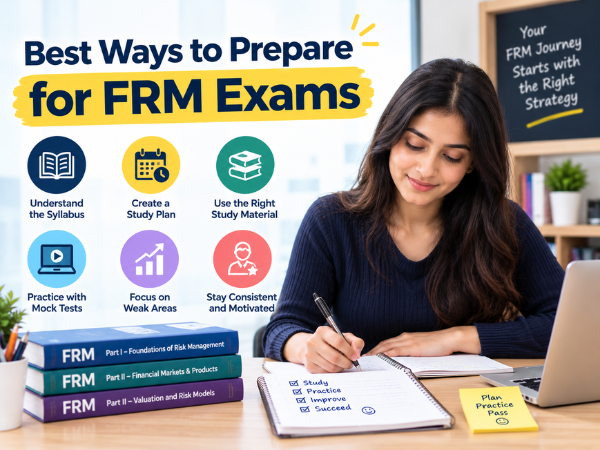
Structured preparation improves success chances significantly. Candidates should create a study schedule early. Consistent practice helps in understanding complex risk concepts.
Effective Study Strategies
Solve practice questions regularly to test your knowledge. Focus on weak topics instead of only revising strong areas. Join study groups or online forums for better understanding.
Recommended Study Resources
GARP provides official study materials for both exam parts. Many candidates also use third party prep providers. These providers offer video lectures, question banks, and mock tests.
Career Path After FRM Certification
FRM certification opens doors to multiple career paths. Professionals can work in risk management, compliance, or audit departments. Some also move into investment analysis or portfolio management roles.
Common Job Roles for FRM Holders
Popular roles include risk analyst, credit risk manager, and market risk analyst. Other roles include compliance officer, risk consultant, and portfolio risk manager. Senior professionals can become chief risk officers over time.
Career Growth Timeline
Entry-level professionals usually start as risk analysts. With experience, they move into senior risk management positions. Some professionals eventually lead entire risk departments within organizations.
Top Employers Hiring FRM Professionals in Singapore
Major banks like DBS, OCBC, and UOB hire risk professionals regularly. Global banks such as HSBC, Citibank, and Standard Chartered also recruit FRM holders. Insurance companies and asset management firms add more opportunities.
Fintech and Consulting Opportunities
Fintech companies increasingly hire risk experts for compliance needs. Consulting firms like EY, KPMG, PwC, and Deloitte also recruit FRM-certified candidates. These firms handle risk advisory projects for multiple clients.
FRM Salary Trends in Singapore
Salaries vary based on experience, role, and company size. Entry-level risk analysts earn a decent starting salary. Experienced professionals with FRM certification earn significantly higher packages.
Salary Growth With Experience
Salaries increase steadily as professionals gain more experience. Senior risk managers and directors earn premium compensation packages. Leadership roles like Chief Risk Officer offer the highest salary potential.
FRM vs CFA: Which One Should You Choose
Many candidates compare FRM with CFA certification. FRM focuses specifically on risk management topics. CFA covers broader investment management and financial analysis topics.
Choosing Based on Career Goals
Choose FRM if you want a risk-focused career. Choose CFA if you prefer investment management or equity research roles. Some professionals pursue both certifications for wider career opportunities.
Skills You Gain From FRM Certification
FRM certification builds strong analytical and quantitative skills.Candidates learn to assess various financial risks accurately. They also develop strong decision-making abilities under uncertain conditions.
Technical and Soft Skills Combined
Technical skills include risk modeling and financial analysis. Soft skills include problem-solving and critical thinking. These combined skills make FRM holders valuable across industries.
Challenges Candidates Face During FRM Preparation
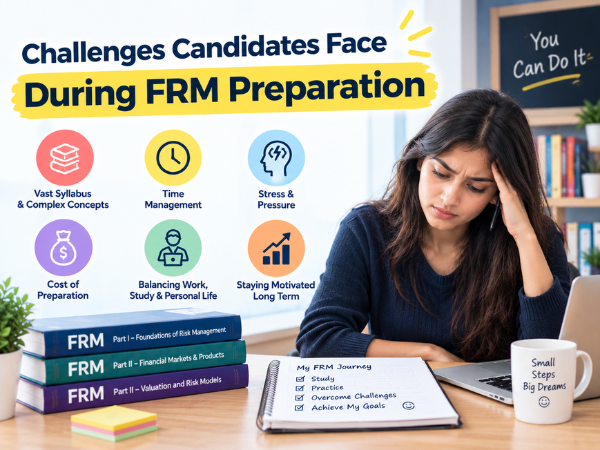
Many candidates struggle with the vast syllabus coverage. Balancing work and study schedules becomes difficult for many. Quantitative topics often feel challenging for non-finance backgrounds.
How to Overcome These Challenges
Create a realistic study timeline early in your preparation. Focus on understanding concepts instead of memorizing formulas. Practice mock tests regularly to build exam confidence.
Future Scope of FRM Professionals in Singapore
Singapore’s financial sector continues to expand rapidly. Digital transformation increases the need for risk management experts. This creates long-term career stability for FRM-certified professionals.
Emerging Risk Areas
Cybersecurity risk and climate-related financial risk are growing concerns. Companies need experts trained in these emerging risk areas. FRM professionals with updated skills can benefit from these trends.
Final Thoughts
The FRM Certification in Singapore offers strong career growth potential. It suits professionals who want to specialize in risk management. The certification also opens doors to reputed banks and financial institutions.
Candidates should prepare consistently and stay updated with industry trends. This approach helps them build a successful long-term career in risk management.
FAQs
Yes, many banks and financial institutions value the FRM certification. It helps candidates secure risk-focused roles easily.
Most candidates complete both parts within one to two years. The timeline depends on individual study pace and exam attempts.
Both exams are challenging in different ways. FRM focuses on risk topics, while CFA covers broader investment topics.
Yes, GARP does not require prior risk management experience for enrollment. However, candidates need two years of work experience for final certification.
Salaries vary based on experience and role. Experienced professionals typically earn higher packages than entry-level candidates.
Salaries vary based on experience and role. Experienced professionals typically earn higher packages than entry-level candidates.
Banks, insurance companies, asset management firms, and fintech companies actively hire FRM professionals.
Yes, GARP requires certified professionals to complete continuing education credits to maintain active status.