Blog
FRM Certification in UAE: Demand, Salary & Job Market in 2026

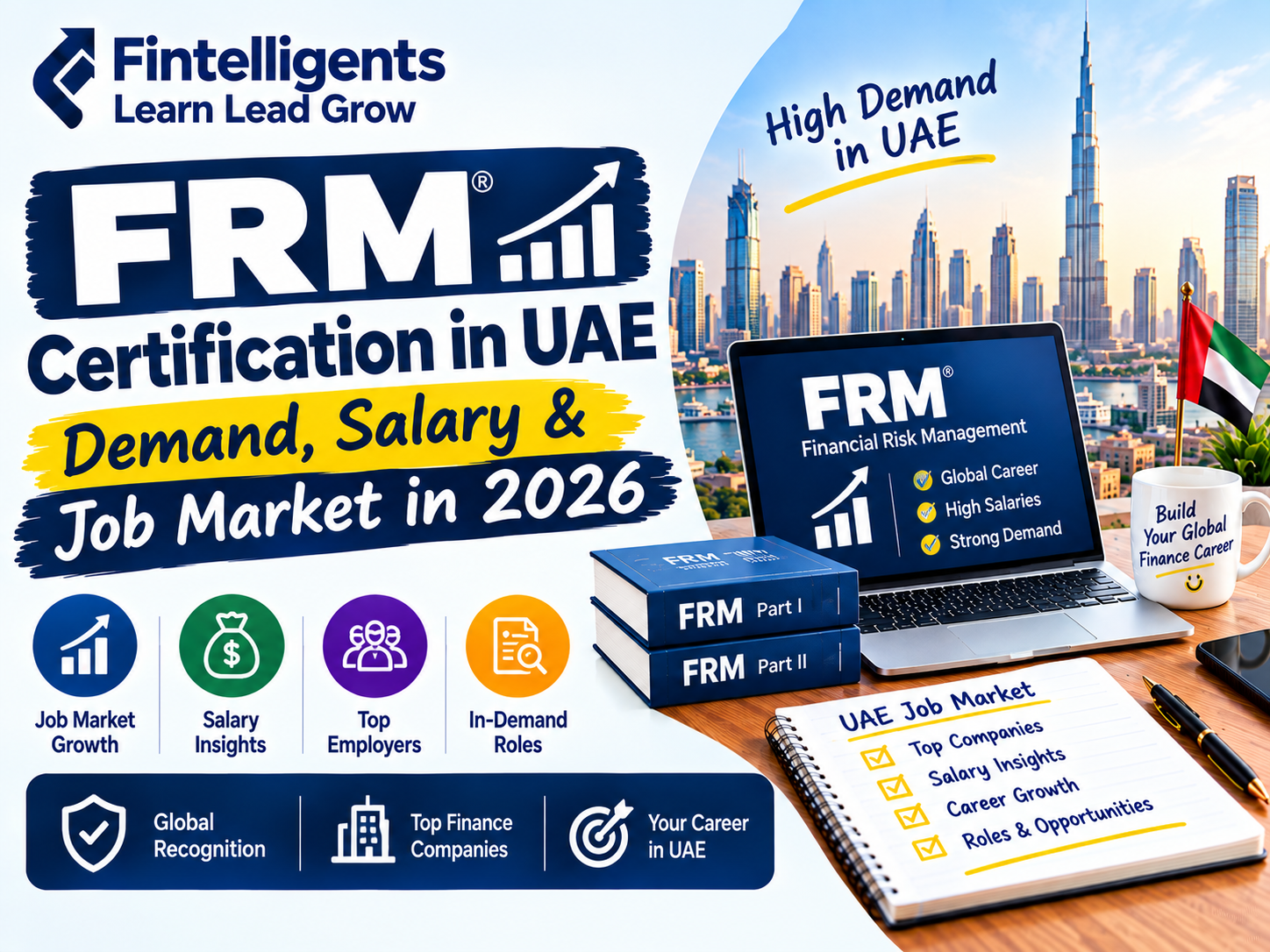
The UAE is one of the busiest financial centers in the world. Banks, funds, and insurers here face complex risks every day. Because of this, the FRM certification in UAE has become a top choice for finance professionals.
This guide explains why the FRM matters in 2026. You will learn about demand, salary ranges, and real job roles. You will also see how the exam works and how to plan your path.
What Is the FRM Certification?
The Financial Risk Manager (FRM) is a global credential for risk professionals. It is offered by GARP, the Global Association of Risk Professionals. Employers in over 190 countries recognize it.
The FRM proves that you understand how to measure and manage financial risk. It covers market, credit, and operational risk. It also covers liquidity risk and investment risk.
Who Should Take the FRM?

The FRM suits many profiles. Consider it if you work in any of these areas:
• Banking and credit
• Treasury and trading
• Asset management
• Insurance and reinsurance
• Audit and compliance
• Corporate finance
Fresh graduates can also start the journey. They can pass the exams first and build experience later.
How the FRM Differs From Other Finance Credentials
The CFA focuses on investment analysis. The FRM focuses on risk. That is the key difference.
If you want to be a portfolio manager, the CFA fits well. If you want to protect a firm from losses, the FRM fits better. Some professionals hold both. That combination is powerful in the UAE.
Why the FRM Certification in UAE Is in Demand
Demand for risk talent keeps rising in the Gulf. Several forces drive this trend. Let us look at each one.
The UAE Is a Global Financial Hub
Dubai and Abu Dhabi attract international banks and funds. The Dubai International Financial Centre (DIFC) hosts hundreds of financial firms. The Abu Dhabi Global Market (ADGM) is growing fast too.
These firms must manage risk across many markets. As a result, they hire qualified risk managers. The FRM gives you a clear edge in this pool.
Strong Regulation Creates Hiring Needs
UAE regulators expect firms to maintain strong risk frameworks. The Central Bank of the UAE supervises banks and insurers. The DFSA and FSRA oversee the free zone centers.
Firms must meet capital, liquidity, and reporting rules. They need trained staff to do this work. Therefore, compliance-driven hiring stays steady.
Growth in Islamic Finance

The UAE is a leader in Islamic finance. Sharia-compliant products carry unique risks. These include asset risk, profit rate risk, and structuring risk.
Risk teams need people who understand both conventional and Islamic models. The FRM builds the conventional foundation. You can then add Islamic finance knowledge on top.
Rise of ESG and Climate Risk
Climate risk is now a board-level topic. The UAE has set clear sustainability goals. Financial firms must measure climate exposure in their portfolios.
GARP has expanded its content on climate and sustainability. Thus, FRM holders are well placed for new ESG risk roles.
Digital Banking and AI Risk
Fintech is booming across the region. Digital banks and payment firms are launching fast. Each new product brings model risk, cyber risk, and data risk.
Firms need professionals who can assess these threats. The FRM covers model validation and operational resilience. Those skills match this demand well.
FRM Salary in UAE in 2026
Salary is often the first question candidates ask. Pay depends on your role, experience, and employer. The figures below are estimates based on general market patterns. Actual offers will vary.
Estimated Monthly Salary Ranges
Career Level Typical Role Estimated Monthly Pay (AED) Entry level (0–2 years) Risk Analyst 10,000 – 18,000
Mid level (3–6 years) Senior Risk Analyst 18,000 – 32,000
Senior level (7–12 years) Risk Manager 30,000 – 55,000
Leadership (12+ years) Head of Risk / CRO 55,000 – 100,000+
Please treat these numbers as guidance only. Always check current job listings and recruiter reports before you negotiate.
Entry-Level Pay
Junior roles usually start in the lower range. A candidate with a finance degree and FRM Part I may qualify. Adding internship experience helps a lot.
Firms often view the FRM as proof of commitment. It can set you apart from other graduates. Mid-Level Pay
Mid-career professionals see the biggest jump after certification. At this stage, the FRM signals technical depth. It can support a move into a senior analyst or associate role.
Many professionals negotiate a raise after passing Part II. Others switch employers for better pay.
Senior and Leadership Pay
Senior risk managers lead teams and shape policy. They report to the Chief Risk Officer. Their pay often includes bonuses and allowances.
The FRM alone will not get you here. However, it supports your credibility as you climb. Factors That Affect Your Salary
Several factors shape what you earn:
• Employer type: International banks often pay more than small firms. • Location: Dubai and Abu Dhabi usually lead the market.
• Specialization: Quant and model risk roles often pay a premium.
• Experience: Years of relevant work matter most.
• Extra credentials: A CFA, PRM, or a strong technical skill set adds value. FRM vs Non-FRM Professionals
Many hiring managers prefer certified candidates for risk roles. The credential reduces training costs for the employer. It also shows a global standard of knowledge.
Still, certification is not a magic switch. Experience and skills drive final pay. The FRM simply opens more doors and strengthens your case.
UAE Job Market for FRM Holders
The job market for risk talent is active in 2026. Openings appear across banking, insurance, and asset management. Let us explore the roles and employers.
Popular Job Roles
FRM holders can apply for many positions:
• Market Risk Analyst
• Credit Risk Analyst
• Operational Risk Manager
• Liquidity Risk Officer
• Model Validation Specialist
• Enterprise Risk Manager
• Compliance and Regulatory Risk Officer
• Investment Risk Analyst
• ESG and Climate Risk Analyst
Each role needs a different mix of skills. Credit roles lean on financial statement analysis. Market risk roles lean on statistics and derivatives.
Sectors That Hire Risk Professionals
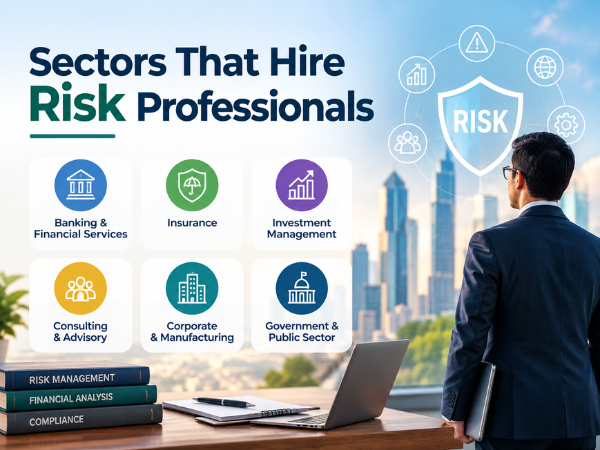
Risk skills are useful in many industries. The main hiring sectors include:
1. Commercial and investment banks: They employ the largest number of risk staff. 2. Insurance and reinsurance firms: They need actuarial and enterprise risk skills. 3. Asset and wealth managers: They track portfolio and counterparty exposure. 4. Fintech and digital banks: They focus on model, fraud, and cyber risk. 5. Consulting and audit firms: They advise clients on risk frameworks. 6. Government-linked entities and sovereign funds: They manage large investment portfolios.
Dubai vs Abu Dhabi
Dubai has a large concentration of banks, brokers, and fintechs. The DIFC is the main hub for international finance. Networking events are frequent here.
Abu Dhabi is strong in sovereign wealth, asset management, and large institutions. ADGM continues to attract new firms. Roles here can be more institutional and long-term.
Many professionals apply to both cities. The commute between them is manageable, and remote flexibility varies by employer.
Hiring Trends to Watch in 2026
Several trends shape recruitment this year:
• Data skills: Employers want Python, SQL, and Excel proficiency.
• Regulatory focus: Reporting and stress testing roles remain busy.
• Climate risk: Sustainability teams are hiring more analysts.
• Localization: Firms encourage Emirati talent in senior positions.
• Automation: Routine tasks are shifting to tools, so analytical skills matter more. Because of these shifts, candidates should build both technical and communication skills. How Recruiters View the FRM
Recruiters see the FRM as a quality filter. It tells them you passed a hard, standardized test. It also shows you can handle quantitative work.
Many job posts list FRM as “preferred” rather than “required.” Even so, it often decides who gets shortlisted.
Skills Employers Want Alongside the FRM
A certificate is only one part of your profile. Employers also look for practical ability. Focus on these areas.
Technical Skills
• Excel and VBA: Almost every risk team uses them.
• Python or R: These help with modeling and data analysis.
• SQL: You will pull and clean data often.
• Statistics: Know distributions, regression, and VaR concepts.
• Regulatory knowledge: Learn Basel frameworks and local rules.
Soft Skills
Risk work is not only about numbers. You must explain findings to non-technical leaders. Clear writing and confident speaking matter.
Strong judgment also counts. Managers value people who can flag issues early. They also value calm thinking under pressure.
Industry Awareness
Follow regional news and market updates. Understand oil price effects, interest rate moves, and real estate cycles. This awareness makes your interview answers stronger.
FRM Exam Structure and Eligibility
Understanding the exam helps you plan your timeline. The FRM has two parts. You take them in order.
FRM Part I
Part I builds your foundation. It covers these topics:
• Foundations of risk management
• Quantitative analysis
• Financial markets and products
• Valuation and risk models
This part tests core concepts. It rewards steady, structured study.
FRM Part II
Part II goes deeper into applied risk. It covers:
• Market risk measurement and management
• Credit risk measurement and management
• Operational risk and resilience
• Liquidity and treasury risk management
• Risk management and investment management
• Current issues in financial markets
Expect more case-style thinking here. You must apply ideas, not just recall them. Eligibility and Work Experience
You can register for the exams without prior work experience. However, GARP requires relevant professional experience to earn the certification. The experience requirement has a defined duration.
Candidates from the UAE follow the same global rules. Please check the official GARP website for the latest requirements, fees, and exam windows. These details can change from year to year.
How Long Should You Study?
Most candidates plan several months per part. Many set aside a few hundred hours across both parts. Your background will affect this number.
Here is a simple approach:
1. Build a study calendar early.
2. Cover each topic in weekly blocks.
3. Practice questions every week.
4. Take full mock exams before test day.
5. Review weak areas in the final month.
Working professionals in the UAE often study on weekends. Consistency beats cramming. Choosing Study Materials
Use the official GARP curriculum as your base. Add a reputable prep provider for practice questions. Join a study group if you can.
Avoid buying too many resources. Two or three quality sources are enough. Is the FRM Worth It in the UAE?
Many candidates ask this before they commit. The answer depends on your goals. Let us weigh the pros and cons.
Benefits of the FRM Certification in UAE
• Global recognition: The credential travels with you.
• Career focus: It signals commitment to risk management.
• Salary potential: It can support stronger offers and promotions.
• Networking: GARP has chapters and events for members.
• Knowledge: You gain a solid, modern risk toolkit.
Challenges to Consider
• Time commitment: The exams need serious study hours.
• Cost: Fees and prep materials add up.
• Experience rule: You need work experience to be certified.
• No guarantee: A certificate does not promise a job.
Who Gains the Most?
The FRM is most useful for people who want a long-term risk career. It helps bankers moving into risk teams. It also helps analysts who want to move up.
If you prefer portfolio management or equity research, the CFA may fit better. Think about your five-year goal before you decide.
Steps to Build a Risk Career in the UAE
A clear plan turns a credential into real results. Follow these steps.
Step 1: Set a Clear Goal
Decide which risk area interests you. Choose from market, credit, operational, or model risk. A focused goal guides your study and job search.
Step 2: Register and Study
Register for an exam window that fits your schedule. Follow your study calendar closely. Track your progress each week.
Step 3: Build Practical Skills
Learn Excel, Python, and SQL alongside your exam prep. Practice on real datasets. These skills show up in interviews.
Step 4: Update Your Profile
Add the FRM progress to your CV and LinkedIn. List “FRM Part I Passed” or “FRM Candidate” if you qualify. Recruiters search for these terms.
Step 5: Network Locally
Attend finance events in Dubai and Abu Dhabi. Connect with risk professionals on LinkedIn. Ask for advice, not favors.
Step 6: Apply Strategically
Target firms that match your profile. Tailor each application. Highlight measurable results, such as reduced errors or improved reports.
Interview Preparation Tips
Prepare for both technical and behavioral questions. Expect questions on VaR, credit ratings, and stress testing. Practice explaining each idea in simple words.
Salary Negotiation Tips
Research market ranges before you talk numbers. Mention your certification and skills clearly. Consider the full package, including housing, bonus, and insurance.
Common Mistakes to Avoid
Many candidates repeat the same errors. Avoid these traps.
• Starting without a plan: Random study wastes time.
• Ignoring practice exams: They reveal your weak spots.
• Skipping technical skills: Employers expect tools knowledge.
• Neglecting networking: Many roles fill through referrals.
• Expecting instant raises: Results take time and effort.
• Using outdated information: Always verify fees and rules with GARP.
Conclusion
The FRM certification in UAE offers real career value in 2026. The country’s financial sector is growing, and regulation is getting tighter. New risks from technology and climate add more demand.
Salary potential is attractive, especially at mid and senior levels. Yet success needs more than a certificate. You must build technical skills, gain experience, and network well.
If risk management excites you, start planning today. Set a goal, build a study calendar, and take the first step. Your future in the UAE finance market could begin with one decision.
Frequently Asked Questions
Yes, for most risk-focused professionals. The UAE has a large financial sector with steady risk hiring. The FRM adds credibility and can support career growth.
Pay varies by level. Entry roles often start in the low five figures in AED per month. Senior risk managers can earn much more. Check current listings for exact numbers.
Yes. You can sit the exams without work experience. You will need relevant experience later to receive the certification.
The FRM is challenging. It covers many topics and needs regular practice. With a good plan, many candidates succeed.
It depends on your goal. Choose the FRM for risk careers. Choose the CFA for investment and portfolio roles. Some professionals earn both.
Banks, insurers, asset managers, fintechs, and consulting firms hire risk talent. Sovereign-linked institutions also recruit for risk roles.
Most candidates take one to two years. This includes both exam parts and planning around exam windows. Your pace and work schedule will decide the timeline.
No. The exam is available at test centers in many countries. Check the official GARP site for the nearest center and dates.
It helps build a strong risk foundation. You should add Islamic finance knowledge for these roles. The mix of both is highly valued.
No credential can promise a job. However, the FRM improves your chances. Combine it with skills, experience, and networking.