Blog
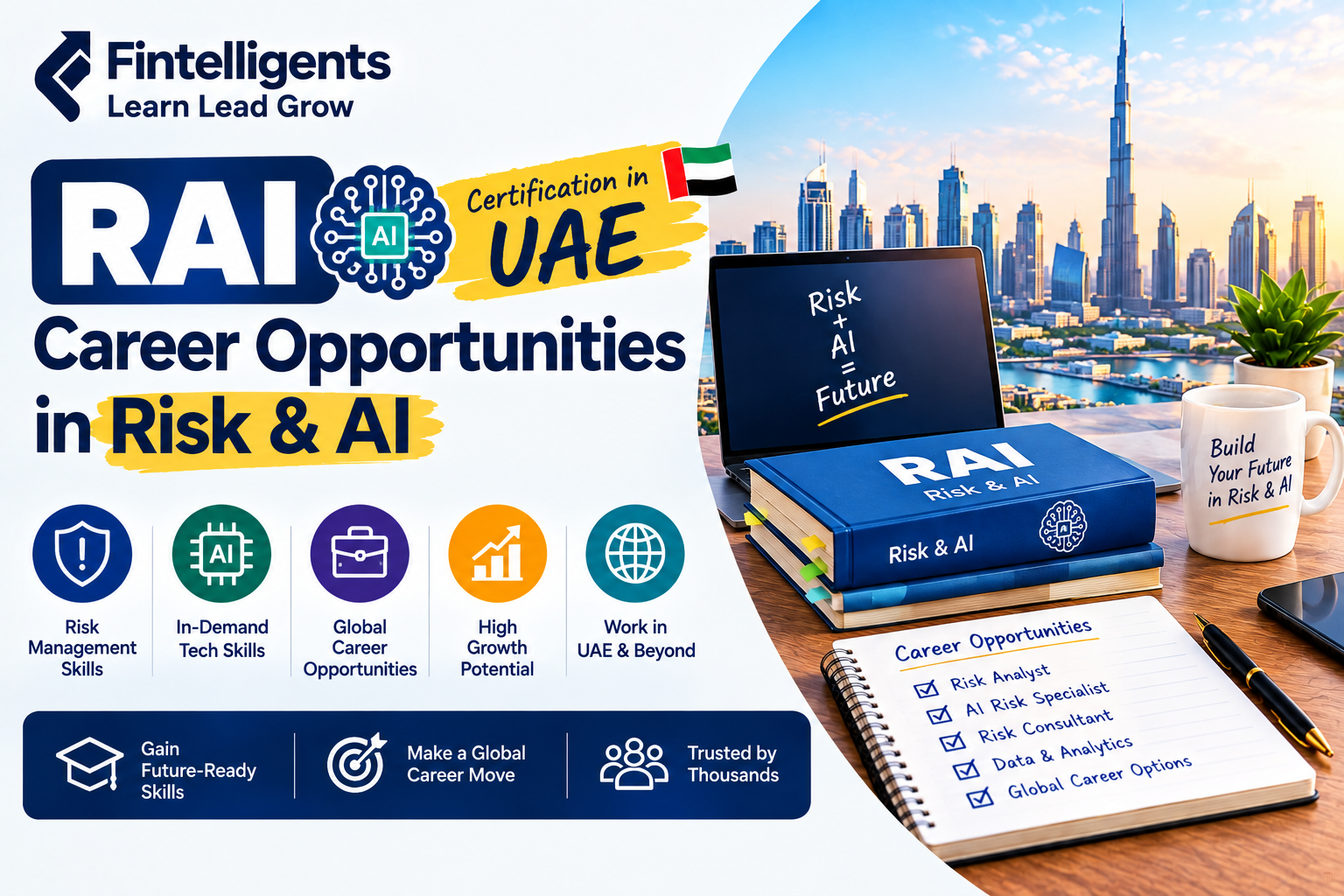
RAI Certification in UAE: Career Opportunities in Risk & AI

What Is the RAI Certification?
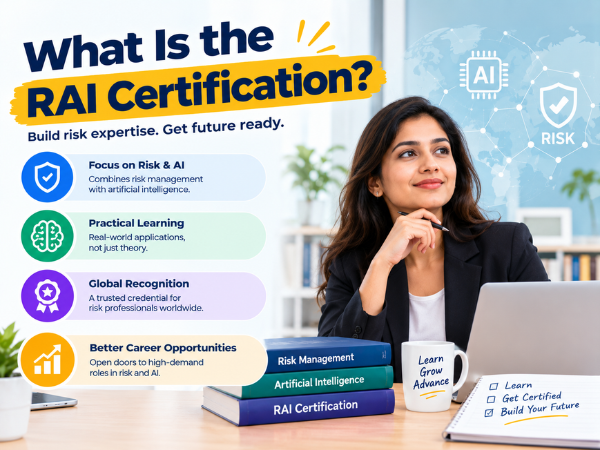
The RAI Certification stands for the Risk and Artificial Intelligence Certificate. The Global Association of Risk Professionals, known as GARP, created this program. GARP already runs the Financial Risk Manager (FRM) certification. That credential is the global standard for risk professionals. GARP built the RAI Certificate using the same rigour and structure.
The RAI full form is Risk and Artificial Intelligence. Some professionals also connect it to Responsible AI, since the course focuses heavily on ethical and responsible AI use. The certificate teaches candidates how AI systems work. It also explains the risks these systems create for businesses.
AI now touches almost every industry. Banks use it for credit scoring. Insurance companies use it for claims processing. Tech firms use it to build automated tools. Each of these uses carries risk. Bias, data privacy issues, and poor governance can all cause serious harm. The RAI Certification prepares professionals to spot and manage these risks early.
Who Created the RAI Certification?
GARP launched the RAI Certificate to fill a clear gap in the market. Many AI courses focus only on technical skills like coding and model building. Few courses focus on risk, ethics, and governance together. GARP designed this program with AI experts and senior risk practitioners. This mix ensures the content stays practical and industry-relevant.
RAI Full Form and Meaning
RAI stands for Risk and Artificial Intelligence. The name reflects the course goal directly. It does not just teach AI concepts. It teaches how to manage the risks that come with AI adoption. This makes the RAI Certificate different from most generic AI courses available today.
Why the RAI Certification Matters in the UAE
The UAE has set bold goals for AI adoption. The government wants the country to lead the region in artificial intelligence. Dubai and Abu Dhabi already use AI across banking, healthcare, and government services. This rapid growth creates strong demand for professionals who understand AI risk.
AI Growth in the UAE Market
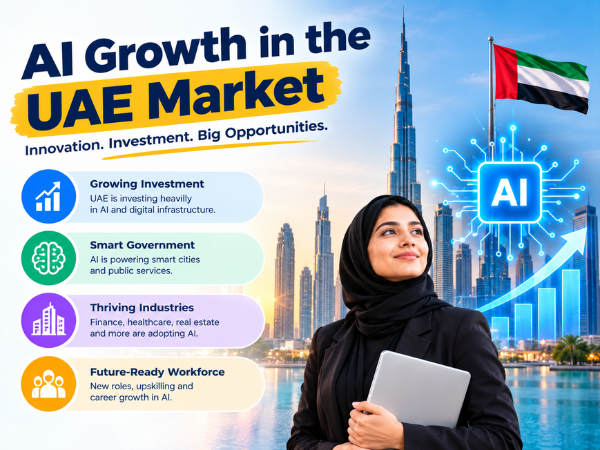
UAE banks now use AI for fraud detection and credit decisions. Insurance firms use it to price policies faster. Government bodies use AI to improve public services. Each new AI tool brings fresh risk. Companies need people who can manage this risk without slowing down innovation.
Regulators in the UAE are also paying close attention to AI governance. Financial authorities want firms to prove their AI systems are fair and transparent. This shift pushes companies to hire trained risk professionals. The RAI Certification gives candidates the exact skills these employers want.
Demand for Risk and AI Professionals
Risk management teams in the UAE are expanding their scope. They no longer focus only on credit or market risk. Many teams now include a dedicated AI risk function. Compliance departments also need staff who understand AI regulations. The RAI Certification prepares candidates for both these paths.
Professionals with this certificate can support banks, fintech firms, consulting companies, and regulators. The UAE market rewards candidates who combine finance knowledge with AI risk expertise. This combination is still rare, which creates a strong advantage for RAI certified professionals.
RAI Certification Curriculum and Exam Structure
The RAI curriculum covers five core modules. GARP designed each module to build knowledge step by step. Candidates start with AI basics and move toward advanced governance topics.
Module 1: AI and Risk Introduction
This module covers the history of AI and machine learning. It explains how these technologies evolved over time. Candidates also learn the basic risk concepts that apply to AI systems. This module builds the foundation for the rest of the course.
Module 2: Tools and Techniques
This module explains the tools used to build and manage AI systems. It covers machine learning models, algorithms, and current AI applications. Candidates learn how these tools work across different industries. This module helps non-technical professionals understand AI without needing coding skills.
Module 3: Risks and Risk Factors
This module focuses on the specific risks AI creates. Bias, data quality issues, and model errors all fall under this section. Candidates learn how to identify these risks before they cause damage. This module forms the core of the RAI Certificate.
Module 4: Responsible and Ethical AI
This module teaches candidates how to build fair and transparent AI systems. It covers ethical principles that guide responsible AI use. Candidates also study real case studies from different industries. This module prepares professionals to advise on ethical AI decisions.
Module 5: Data and AI Model Governance
The final module covers governance frameworks for AI systems. It explains how companies should monitor and control their AI models. Candidates learn about regulatory requirements and internal policies. This module ties the entire course together.
Exam Format: The RAI exam uses multiple-choice questions. GARP tests candidates across all five modules. The exam does not require a technical or coding background. It focuses on practical understanding rather than deep programming skills. GARP provides a digital curriculum, practice exams, and online resources to help candidates prepare.
Eligibility Criteria for the RAI Certification
The RAI Certification keeps its eligibility rules simple. GARP designed this course for professionals from many backgrounds. Candidates do not need a technical degree to apply.
- Risk professionals working in banks or financial firms can apply directly.
- Compliance officers who want to understand AI regulation can also enrol.
- Data scientists who want risk and governance knowledge benefit from this course.
- Business leaders who oversee AI adoption find this certificate useful too.
GARP does not require prior AI experience. The course explains technical concepts in simple terms. This makes it accessible to finance professionals without a coding background. Anyone with an interest in AI risk management can pursue this certification.
How to Register for the RAI Certification in UAE
Candidates in the UAE can register for the RAI Certificate online through GARP. The registration process involves a few simple steps.
- Visit the official GARP platform and create an account.
- Select the RAI Certificate program from the course list.
- Pay the registration fee through the available payment options.
- Access the digital curriculum and practice materials immediately.
- Schedule the exam at a convenient time slot.
Training providers like Fintelligents also support UAE candidates through this process. These providers offer structured study plans, practice tests, and expert guidance. This support helps candidates prepare efficiently, especially those balancing work and study.
Career Opportunities After RAI Certification in UAE
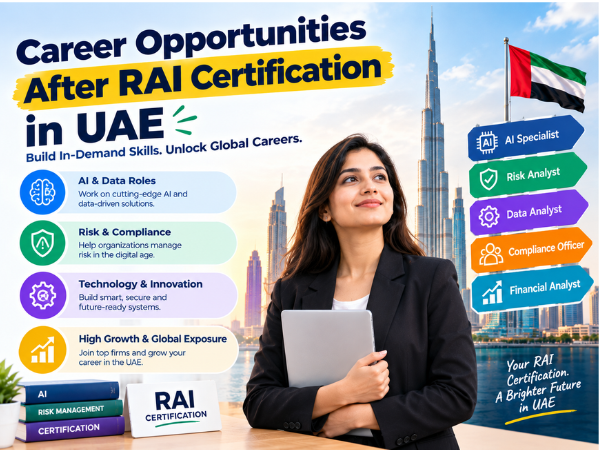
The RAI Certification opens several career paths across the UAE job market. Employers value this credential because it combines risk knowledge with AI expertise.
Risk Management Roles
Banks and financial institutions need risk managers who understand AI systems. RAI certified professionals can move into AI risk analyst or AI risk manager roles. These positions focus on identifying and managing risks tied to AI-driven decisions.
AI Governance and Compliance Roles
Compliance teams now need staff who understand AI regulation. RAI certified professionals can work as AI governance officers or compliance analysts. These roles focus on building policies that keep AI systems fair and transparent.
Data Science and Analytics Roles
Data scientists with RAI certification stand out in the job market. They bring both technical and risk knowledge to their teams. This combination helps them build AI models that meet regulatory standards from the start.
Consulting and Advisory Roles
Consulting firms in the UAE increasingly advise clients on AI adoption. RAI certified consultants can guide businesses through safe and responsible AI implementation. This role suits professionals who enjoy working across multiple industries and clients.
Salary Expectations for RAI Certified Professionals
Salary levels for RAI certified professionals depend on experience, industry, and role. Risk and compliance roles in the UAE generally offer competitive packages compared to other finance-related positions. Professionals who add AI governance skills to their risk background often gain access to more senior roles and stronger negotiating power.
Banks and large financial institutions tend to offer higher packages for staff who manage AI-related risk. Fintech companies and consulting firms also compete for this talent, since few professionals currently hold both risk and AI expertise together. Candidates should research current market rates within their specific industry and role level before negotiating salary.
Skills You Gain From the RAI Certification
The RAI Certificate builds a wide range of practical skills. These skills apply across many industries, not just finance.
- Understanding of AI and machine learning fundamentals.
- Ability to identify risks within AI systems.
- Knowledge of responsible and ethical AI principles.
- Skills to build and review AI governance frameworks.
- Awareness of data privacy and regulatory requirements around AI.
- Confidence to advise teams on safe AI adoption.
These skills help professionals move into leadership roles faster. Companies trust certified staff to manage AI projects with less oversight. This trust often leads to quicker promotions and broader responsibilities.
RAI Certification vs Other AI Certifications
Many AI certifications exist today. Most focus purely on technical skills like coding and model building. The RAI Certificate takes a different approach.
RAI vs FRM
The FRM certification focuses on financial risk topics like credit, market, and operational risk. The RAI Certificate focuses specifically on AI-related risk. Many professionals pursue both certifications to build a complete risk management skill set.
RAI vs Generic AI Courses
Generic AI courses often teach coding, data science, or machine learning techniques. The RAI Certificate teaches risk, ethics, and governance instead. This makes it ideal for professionals who want to manage AI rather than build it from scratch. Business leaders, compliance staff, and risk managers benefit more from this approach than from a purely technical course.
Why Choose Fintelligents for RAI Certification Training
Fintelligents has years of experience preparing candidates for GARP certifications. The platform already supports professionals studying for the FRM and SCR certificates. This experience carries directly into RAI Certificate training.
Fintelligents offers structured study plans built around the official RAI curriculum. Candidates get access to practice questions, mock tests, and expert guidance throughout their preparation. This support helps UAE-based professionals balance work commitments with focused, effective study time.
The platform also understands the UAE job market well. This local knowledge helps candidates connect their certification to real career opportunities within the region.
Tips to Pass the RAI Exam
Passing the RAI exam requires steady preparation. These tips can help candidates stay on track.
- Start early and create a realistic study schedule.
- Focus on understanding concepts rather than memorising definitions.
- Practice with mock exams to build confidence and speed.
- Review the official GARP curriculum thoroughly before exam day.
- Join study groups to discuss difficult topics with peers.
- Take short breaks during study sessions to stay focused.
Consistent daily study works better than last-minute cramming. Candidates who follow a steady plan usually perform better on exam day.
Conclusion
The RAI Certification fills a real gap in today’s job market. AI adoption keeps growing across the UAE, and risk management has not kept pace with this shift. This certificate helps professionals close that gap with practical, industry-relevant knowledge.
Risk managers, compliance officers, data scientists, and business leaders can all benefit from this credential. It builds skills that apply across banking, insurance, consulting, and technology sectors. As AI regulation tightens across the region, RAI certified professionals will remain in strong demand.
Anyone serious about a long-term career in risk or AI governance should consider this certification. It offers a clear, structured path into one of the fastest-growing areas of the finance and technology world.
Frequently Asked Questions
RAI stands for Risk and Artificial Intelligence. GARP created this certificate to teach professionals how to manage risks tied to AI systems.
The Global Association of Risk Professionals, known as GARP, offers the RAI Certification. GARP also runs the well-known FRM and SCR certifications.
Yes. The course explains AI concepts in simple language. Candidates do not need coding skills or a technical degree to succeed.
Preparation time varies by candidate. Most professionals spend a few months studying alongside their regular work schedule.
Certified professionals can pursue roles in AI risk management, AI governance, compliance, data science, and consulting.
Yes. AI risk and governance skills apply across technology, healthcare, insurance, and consulting sectors as well.
Yes. GARP certifications carry strong recognition across UAE banks, financial institutions, and consulting firms.
Yes. Many professionals combine both certificates to build broader expertise in financial and AI-related risk management.
Training providers like Fintelligents offer structured courses, study material, and mock exams to help candidates prepare effectively.
The RAI exam uses multiple-choice questions covering all five curriculum modules. It does not require any coding or technical testing.