Blog
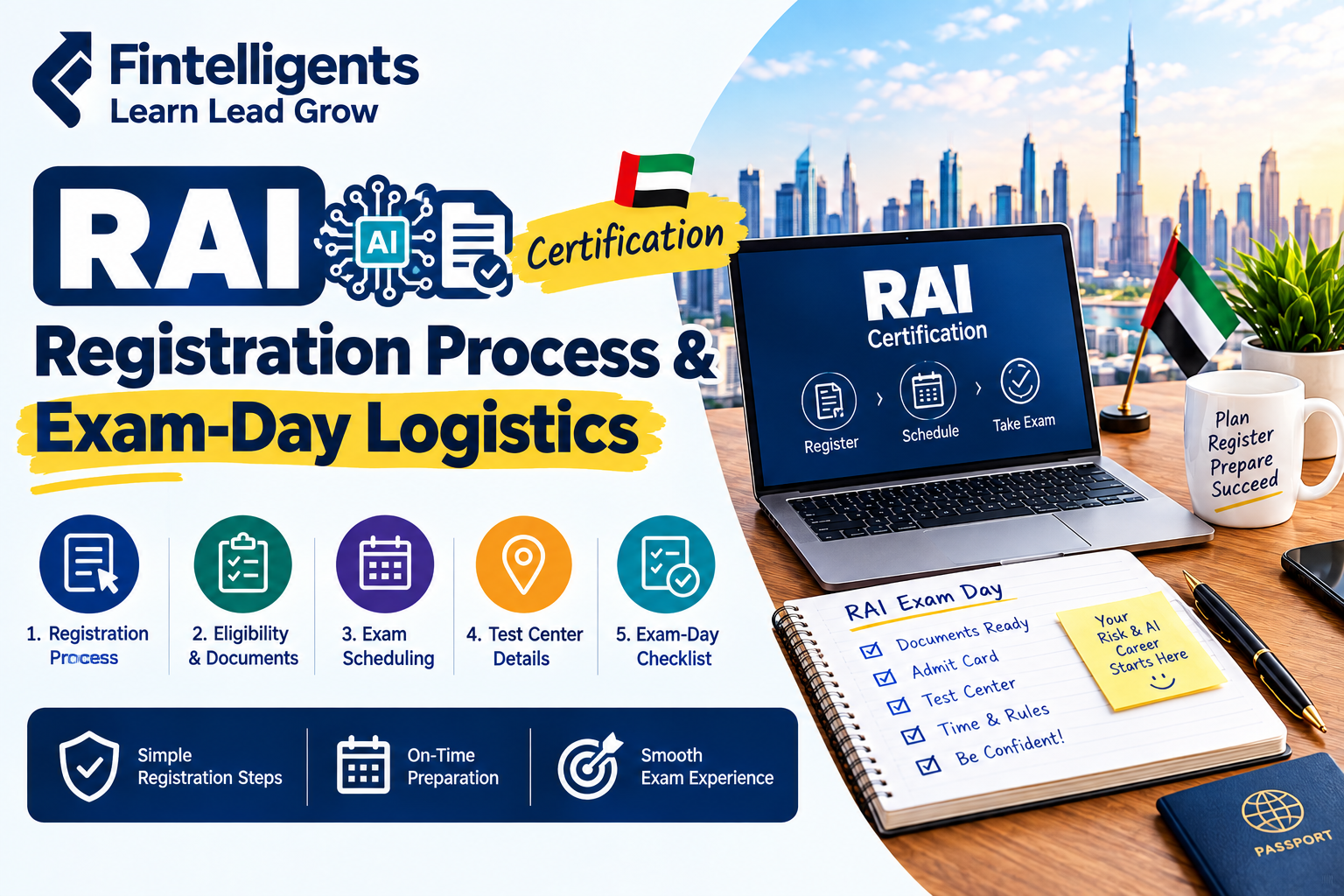
RAI Certification: Registration Process & Exam-Day Logistics

What Is the RAI Certification?
The Risk and AI (RAI) Certification comes from the Global Association of Risk Professionals, known as GARP. This credential focuses on artificial intelligence and its role in risk management. It tests knowledge of AI tools, AI risk factors, and responsible AI governance.
GARP built this program for a fast-changing world. Companies now use AI models for credit decisions, fraud detection, and portfolio management. Risk professionals need a way to prove they understand these tools. The RAI Certification fills that gap.
The exam itself has 80 multiple-choice questions. Candidates get four hours to finish. Most questions stand alone, though a few come in small groups tied to a shared scenario. GARP offers this exam twice each year, in April and October.
Why This Certification Matters Now

AI adoption in finance keeps growing every quarter. Regulators want proof that firms manage AI risk properly. Employers now look for candidates who can speak both languages: risk management and artificial intelligence. The RAI Certification gives you that proof on paper.
Who Should Pursue the RAI Certification?
This certificate suits a wide range of professionals. You do not need years of experience to sit for the exam. GARP designed it as an open program.
Ideal candidates include:
- Risk analysts who want to add AI expertise to their skill set
- Compliance officers reviewing AI-driven decision systems
- Data scientists who want to understand risk frameworks
- FRM, SCR, or ERP holders looking to expand their credentials
- Students in finance, economics, or data science programs
A basic grasp of statistics and finance helps a lot. Familiarity with AI or machine learning tools is useful but not required. GARP’s curriculum starts from foundational concepts before moving into advanced topics.
RAI Certification Registration Process: Step by Step
Registration happens entirely online through the GARP portal. The process feels straightforward once you know the steps. Here is how it works from start to finish.
Step 1: Create Your GARP Account
Visit the official GARP website and set up a candidate account. You will need a valid email address and some basic personal details. Keep your login information safe, since you will use this account throughout your certification journey.
Step 2: Select Your Exam Window
GARP runs the RAI exam in April and October each year. Pick the window that fits your study timeline. Early registration usually opens several months before the exam date.
Step 3: Pay the Registration Fee
Your fee depends on timing and membership status. Early registration costs less than standard registration. GARP individual members and existing FRM, SCR, or ERP holders often receive a discount.
Step 4: Access Your Study Materials
Once payment clears, you unlock the full RAI curriculum on GARP Learning. This includes reading materials, practice questions, and a full-length practice exam. Start building your study plan right away.
Step 5: Schedule Your Exam Appointment
After registering, choose between an in-person test center or online proctoring. Pick your preferred date, time, and location through the Pearson VUE scheduling system. Confirm your appointment well before the deadline, since slots fill up fast near exam windows.
Step 6: Prepare With a Structured Study Plan
GARP recommends around 100 to 130 hours of preparation. Spread this across several weeks rather than cramming at the end. Use the practice exam to identify weak areas early.
RAI Exam Fees and Registration Windows
Understanding the fee structure helps you plan your budget. GARP adjusts pricing based on three main factors: registration timing, membership status, and prior certifications.
Standard registration typically costs more than early registration. GARP Individual Members pay a reduced rate compared to non-members. Candidates who already hold the FRM, SCR, or ERP credential often qualify for further savings.
First-time RAI candidates usually receive a complimentary six-month GARP membership. This membership activates automatically during registration for eligible candidates. It gives you access to networking events and additional learning resources.
Important Notes on Payment
Some regions add local taxes to the base fee. Indian candidates, for example, should expect GST added at checkout. Wire transfers and ACH payments may carry an extra processing charge. Always check the official fee breakdown before you submit payment.
Registration Deadlines
Each exam window has both an early and a standard registration deadline. Missing the standard deadline usually means waiting for the next cycle. All deadlines run on Eastern Time, so double-check your local time zone before submitting.
Documents You Need Before You Register
Registration does not require heavy documentation, but exam day does. Prepare these items well ahead of time to avoid last-minute stress.
- A valid, government-issued photo ID with your signature
- Your GARP candidate account login details
- A payment method accepted by GARP’s portal
- Proof of any prior GARP certification, if claiming a fee discount
Your ID name must match the name on your GARP registration exactly. Even small mismatches, like a missing middle name, can cause problems at check-in. Update your GARP profile immediately if your legal name changes.
Choosing Your Exam Format: Test Center or Online Proctoring
GARP gives candidates two ways to sit for the RAI exam. Both formats use Pearson VUE as the testing provider. Your choice depends on comfort, location, and personal preference.
Option 1: In-Person Testing at a Pearson VUE Center
This format works well if you prefer a quiet, controlled environment away from home. Pearson VUE operates test centers in many cities worldwide. You simply select a nearby location during scheduling.
Option 2: Online Proctoring via Pearson VUE OnVUE
This option lets you take the exam from home or any private space. A remote proctor monitors you through your webcam throughout the test. This format saves travel time but requires a strict setup check beforehand.
Think carefully about your home environment before choosing online proctoring. A noisy household or unreliable internet connection can create unnecessary risk on exam day.
Exam – Day Logistics for In-Person Testing
Walking into a test center prepared reduces stress significantly. Follow these guidelines for a smooth check-in experience.
Arrival Time
Arrive at least 30 minutes before your scheduled appointment. Late arrivals may lose their seat and their registration fee. Traffic and parking can eat into your buffer time, so plan accordingly.
Check-In Procedures
Staff will verify your photo ID against your registration details. You may need to provide a digital signature and photograph. Expect a brief security screening before entering the testing room.
Personal Items
Test centers require you to store personal belongings in a locker. This includes phones, watches, bags, and study materials. Candidates who refuse to store personal items will not sit for the exam and will lose their fee.
During the Exam
You cannot bring your own scratch paper or calculator into most centers. The testing staff usually provide these materials at your workstation. Raise your hand if you need assistance or a restroom break during the four-hour window.
Exam-Day Logistics for Online Proctored Exams

Online proctoring removes travel stress but adds technical requirements. Prepare your space and equipment days in advance, not hours before.
System and Environment Checks
Test your internet connection, webcam, and microphone before exam day. Pearson VUE’s OnVUE system usually allows a practice check-in session. Complete this check early so you have time to fix any issues.
Room Requirements
Choose a private, quiet room with a closed door. Clear your desk of papers, notes, and electronic devices. The proctor will ask you to show the room using your webcam before starting.
Identity Verification
You will scan your photo ID through your webcam at the start. The proctor compares this against your registration information. Keep your ID within reach throughout the entire session.
Behavior During the Exam
Stay within camera view for the full four hours. Avoid talking, leaving your seat, or looking away for extended periods. The proctor may pause your exam if they notice unusual activity.
What Happens After the Exam
Once you submit your final answer, the waiting period begins. GARP scores the RAI exam on a straightforward pass or fail basis.
Results Timeline
Results typically appear on your GARP candidate portal within four to six weeks. GARP does not release scores immediately after testing. Check your portal regularly during this window rather than contacting support too early.
If You Pass
Successful candidates receive an official digital certificate. A complimentary digital badge also becomes available for use on LinkedIn, resumes, and email signatures. You can then describe yourself using GARP’s approved terminology for RAI Certificate holders.
If You Need a Retake
Candidates who do not pass can retake the exam by paying a retake fee. Retakes must happen during the next available exam cycle. Use your original results to identify which topic areas need more study time.
Common Registration Mistakes to Avoid
Many candidates lose time or money over small, avoidable errors. Watch for these common pitfalls during registration.
- Registering after the early deadline and paying a higher fee
- Entering a name that does not match the ID you plan to use
- Forgetting to check regional tax requirements before payment
- Waiting until the last week to schedule an exam appointment
- Choosing online proctoring without testing your equipment first
- Ignoring the complimentary practice exam included with registration
Avoiding these mistakes saves both money and stress. Build a simple checklist before you start the registration process.
Tips for a Smooth Exam Day

A calm, prepared mindset makes a real difference on exam day. Use these practical tips to set yourself up for success.
- Get a full night of sleep before your appointment
- Eat a light meal so hunger does not distract you
- Arrive early or log in early for online proctoring
- Bring a backup form of ID if your primary one has any damage
- Review your confirmation email the night before for exact instructions
- Stay calm if you hit a difficult question and move forward
Small preparations like these often matter more than last-minute studying. Confidence on exam day comes from familiarity with the process, not just the content.
Frequently Asked Questions
Candidates get four hours to complete 80 multiple-choice questions.
GARP offers the RAI exam twice a year, in April and October.
Yes. GARP offers online proctoring through Pearson VUE’s OnVUE system as an alternative to in-person testing.
Fees vary based on registration timing, membership status, and any prior GARP certifications you hold. Early registration costs less than standard registration.
No formal work experience is required. A basic understanding of finance and statistics helps, but the program welcomes candidates from many backgrounds.
Results usually appear on the GARP candidate portal within four to six weeks after your exam date.
You can retake the exam by paying a retake fee. Your next attempt must happen during the following exam cycle.
The exam covers the history of AI, AI and machine learning tools, AI risk factors, responsible AI principles, and data and model governance.
Final Thoughts
The RAI Certification registration process follows a clear, manageable path. Create your account, choose your window, pay your fee, and start studying with GARP’s official materials. Exam-day logistics matter just as much as your preparation.
Whether you choose an in-person test center or online proctoring, plan ahead. Small details, like ID matching and arrival time, can affect your entire exam experience. With the right preparation, the RAI Certificate becomes a strong addition to your professional profile.