Blog
SCR Certification for Indian Bankers: Why RBI and SEBI Guidelines Are Making This a Must Have in 2026?

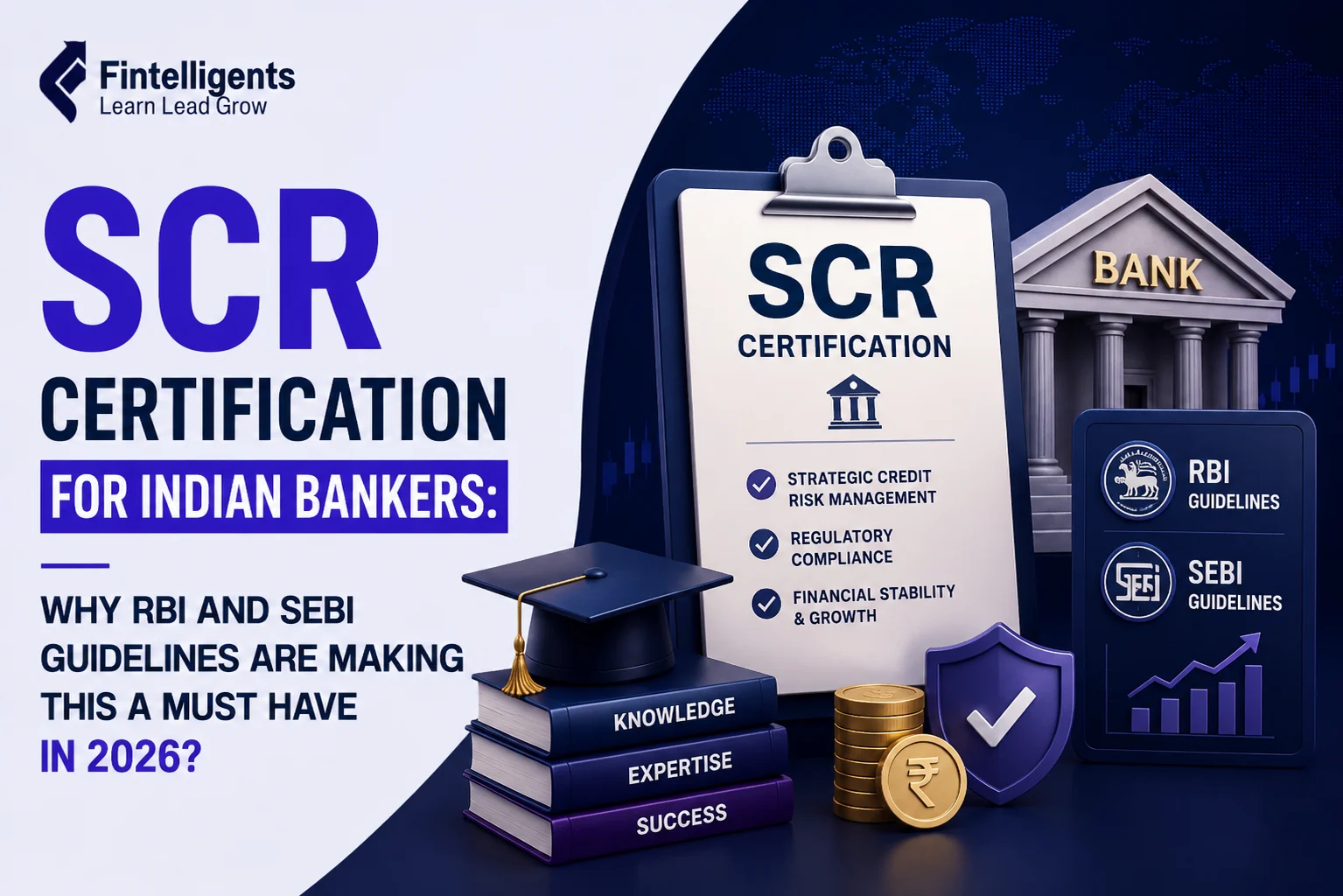
If you work in banking or financial services in India and have been watching the regulatory landscape around climate risk build over the last two years, you already know the direction things are heading. RBI and SEBI have both moved from issuing guidance to setting expectations, and those expectations are now reaching the people who manage risk, credit, and compliance at Indian banks and financial institutions. The SCR certification for Indian bankers in 2026 is not just a good-to-have credential anymore. For professionals in risk, credit, and sustainability functions at Indian banks, it is becoming the most direct way to demonstrate that you have the structured knowledge regulators and employers are now looking for.
Call NowWhat RBI and SEBI Have Actually Said
The regulatory push behind the SCR certification Indian bankers need to understand is not vague. Both RBI and SEBI have issued specific guidelines that create direct demand for climate risk expertise within Indian financial institutions.
RBI’s Position on Climate Risk
RBI released its Discussion Paper on Climate Risk and Sustainable Finance in 2022 and has since followed up with more specific guidance on how banks are expected to integrate climate risk into their risk management frameworks. The key expectations include identifying and assessing physical and transition climate risks across loan books, incorporating climate considerations into credit risk assessments, and building internal capacity for climate risk management. RBI has also aligned itself with the Basel Committee on Banking Supervision’s principles for the effective management and supervision of climate-related financial risks.
What this means practically for Indian bankers is that climate risk is no longer a topic for sustainability teams alone. It is being pushed into credit, risk, and treasury functions where most professionals have had no formal training in climate risk frameworks.
SEBI’s Position on ESG and Climate Disclosure
SEBI has mandated Business Responsibility and Sustainability Reporting for the top listed companies in India, which has created downstream demand for professionals who understand climate disclosure frameworks. SEBI has also been building out its green finance regulatory infrastructure including guidelines on green bonds and ESG ratings, all of which require professionals across financial institutions to understand sustainability and climate risk frameworks.
Why the SCR Certification Directly Addresses What RBI and SEBI Are Asking For
The SCR certification Indian bankers are increasingly pursuing is built around exactly the frameworks and knowledge areas that RBI and SEBI guidelines reference.
| RBI and SEBI Requirement | SCR Curriculum Coverage |
| Physical and transition climate risk assessment | Climate Science and Risk, Climate Risk and Financial Markets |
| Climate risk integration into credit frameworks | Climate Risk Management tools including scenario analysis and stress testing |
| Climate disclosure and reporting | Sustainability and Governance covering TCFD, GRI, SASB |
| Green finance instruments | Green and Sustainable Finance covering green bonds and sustainability linked loans |
| Regulatory alignment with Basel climate principles | Climate Risk Management and regulatory frameworks section |
The alignment is direct. A banking professional who completes the SCR certification is not just adding a credential. They are building the specific knowledge base that their institution needs to meet regulatory expectations and that their role is increasingly expected to demonstrate.
Who in Indian Banking Should Prioritise the SCR Certification in 2026
Not every banking professional needs the SCR certification equally. But for specific functions within Indian banks, it has become one of the most relevant credentials available.
Credit Risk Professionals
Credit analysts and credit risk managers are being asked to assess how climate risks affect the creditworthiness of borrowers across sectors like energy, real estate, agriculture, and infrastructure. The SCR certification gives them the framework to do this systematically rather than relying on intuition or fragmented knowledge.
Risk Management Teams
Risk managers responsible for enterprise risk frameworks at banks are being asked by their boards and by RBI to integrate climate risk into those frameworks. The SCR certification provides the scenario analysis, stress testing, and climate value at risk methodologies that this integration requires.
Compliance and Regulatory Teams
As RBI and SEBI expectations around climate risk disclosure and management become more specific, compliance professionals need to understand what is being asked well enough to assess whether their institution is meeting it. The SCR certification gives compliance teams the knowledge to have substantive conversations with regulators rather than generic ones.
Sustainability and ESG Teams
For professionals already in dedicated sustainability or ESG roles at Indian banks, the SCR certification provides the globally recognised credential that validates the expertise they are building, which matters for career progression and external credibility.
For a detailed look at the specific career opportunities the SCR certification creates within Indian banking and financial services, SCR Jobs in India: Career Opportunities and Growth in the Financial Sector covers the full picture.
The Employer Angle: Why Indian Banks Are Starting to Ask for It
Beyond the regulatory push, Indian banks are beginning to reflect climate risk expertise requirements in their hiring. This is particularly visible in risk, credit, and sustainability functions at larger private sector banks, foreign bank branches in India, and financial institutions with international operations or investors who bring ESG expectations from their home markets.
The SCR certification Indian bankers are pursuing is increasingly being listed as a preferred or advantageous qualification in job descriptions for climate risk, sustainable finance, and ESG-related roles at Indian financial institutions. As the RBI and SEBI guidelines become more specific and the supervisory scrutiny increases, this trend is only likely to accelerate.
For a look at how the SCR certification is being used to drive sustainable finance initiatives within institutions, From Risk to Opportunity: How GARP SCR Can Drive Sustainable Finance Initiatives gives you the institutional perspective.
How Long It Takes and What the Commitment Looks Like
The SCR is a single level exam of 100 multiple choice questions taken over two hours. Most candidates prepare for three to four months with consistent daily study of one to two hours alongside their work. For banking professionals with demanding schedules, this is a manageable commitment compared to multi-level certifications like the FRM or CFA.
The SCR exam is offered multiple times a year through Pearson VUE centres and online proctoring. Indian candidates can sit for it without travelling abroad and the preparation can be completed entirely online through structured coaching.
Enrolling in SCR coaching online at Fintelligents gives you structured preparation specifically built around the GARP SCR curriculum with live and recorded sessions, faculty who understand both the climate risk and financial risk dimensions of the exam, regular mock tests, and support throughout your preparation period.
For a broader view of how the SCR certification equips finance professionals for the direction the industry is heading, How SCR Certification Empowers Finance Professionals to Stay Future Ready covers the long-term professional case.
Conclusion
The SCR certification for Indian bankers has moved from an interesting option to a practical necessity for specific functions within Indian financial institutions. RBI and SEBI guidelines have created a regulatory environment where structured climate risk expertise is no longer optional for professionals in credit, risk, and compliance roles at Indian banks. The SCR certification is the most direct, globally recognised way to build and validate that expertise. For professionals in these functions in 2026, the question is not really whether the SCR is worth pursuing. It is how soon to start.
Enroll for your SCR coaching at Fintelligents and build the credential that positions you ahead of the regulatory curve in Indian banking.
Frequently Asked Questions (FAQs)
Q. Is the SCR certification specifically required by RBI or SEBI for banking professionals?
The SCR certification is not currently mandated by name by RBI or SEBI. However both regulators have issued guidelines requiring Indian banks to build climate risk management capabilities internally. The SCR certification is the most direct way for banking professionals to demonstrate they have the structured knowledge these guidelines require.
Q. How long does it take to prepare for the SCR certification while working at an Indian bank?
Most banking professionals prepare for the SCR exam in three to four months with one to two hours of study per day alongside their work. The single level format and focused curriculum make it more manageable than multi-level certifications for working professionals.
Q. Which roles at Indian banks benefit most from the SCR certification in 2026?
Credit risk, enterprise risk management, compliance, treasury, and sustainability functions at Indian banks benefit most directly from the SCR certification. These are the functions most directly affected by RBI and SEBI climate risk guidelines and where structured climate risk knowledge is increasingly expected.