Blog
SCR Certification in USA: Eligibility, Cost & Career Path

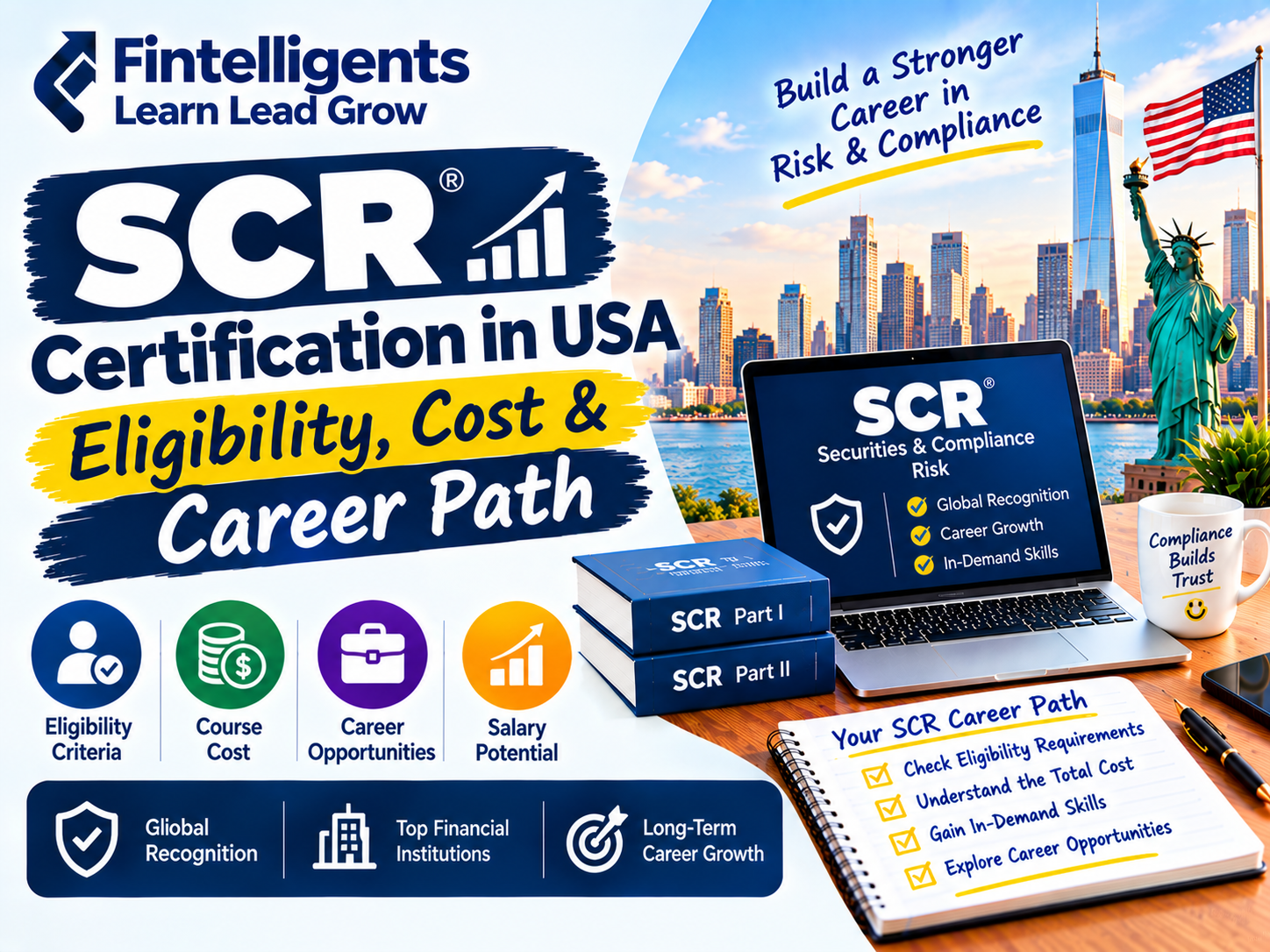
Climate risk has moved from a side topic to a core finance skill. Banks, insurers, and asset managers now need staff who understand climate exposure. This shift has made the SCR Certification in USA one of the fastest-growing credentials in risk management.
This guide explains who should pursue it. It also covers the real cost, the exam format, and the career paths it unlocks.
What Is the SCR Certification
The SCR Certification stands for Sustainability and Climate Risk. GARP, the Global Association of Risk Professionals, created and administers it. The credential proves that a candidate understands climate-related financial risk.
It covers three broad areas. These include climate science basics, green finance, and risk management practices. GARP designed the syllabus for working professionals, not full-time students.
The certificate carries global recognition. Employers in the USA, UK, and Asia accept it as proof of climate risk knowledge.
Why the SCR Certification in USA Matters Now
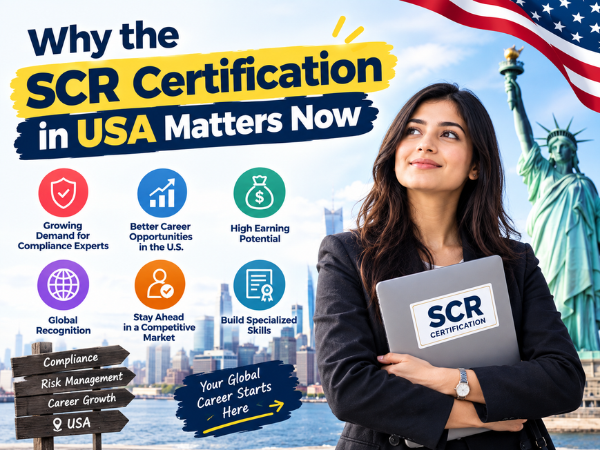
US regulators keep pushing climate disclosure rules. The SEC has proposed several climate related reporting requirements in recent years. Companies need staff who can interpret and act on these rules.
Banks also face growing pressure from investors. Shareholders want proof that firms measure climate exposure correctly. This pressure creates steady demand for certified professionals.
Sustainability roles used to sit outside core finance teams.That pattern has changed. Risk, compliance, and investment teams now hire people with climate expertise directly.
Growing Demand Across Sectors
Insurance companies use SCR-trained staff to price climate risk into policies. Asset managers use the same skills to screen investments. Even corporate treasury teams now look for this knowledge.
This spread across sectors makes the SCR Certification in USA more valuable than a niche ESG badge. It applies to many finance functions at once.
SCR Certification Eligibility Requirements
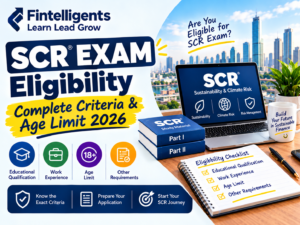
Many candidates search for strict eligibility rules. The good news is simple. GARP sets no mandatory prerequisites for the SCR exam.
You do not need a finance degree. You do not need prior risk management experience. Anyone with an interest in climate finance can register.
That said, GARP recommends some background knowledge. This makes the exam easier to pass on the first attempt.
Recommended Background
• Basic understanding of financial markets
• Familiarity with risk concepts like credit or market risk
• General awareness of ESG and sustainability topics
• Comfort with reading data-heavy reports
Professionals from banking, insurance, consulting, or corporate finance often find the material approachable. Career changers can also succeed with focused preparation.
Who Should Consider This Certification
• Risk analysts who want to add climate expertise
• ESG professionals who want a recognized finance credential
• FRM holders looking to specialize further
• Consultants who advise clients on climate strategy
• Recent graduates targeting sustainability-linked finance roles
SCR Exam Structure and Syllabus
The SCR exam uses a multiple-choice format. Candidates answer questions on a computer at approved test centers. GARP updates the curriculum yearly to match new regulations.
Core Syllabus Topics
1. Foundations of climate change science
2. Climate policy and the regulatory landscape
3. Green and sustainable finance instruments
4. Climate risk management frameworks
5. Scenario analysis and stress testing
6. Net-zero transition strategies
Each section blends theory with applied examples. GARP includes real case studies from global institutions.
Exam Format Details
The exam typically includes 80 to 100 multiple-choice questions. Candidates get a set time window to complete it. GARP releases exact question counts and timing before each cycle, so check the official site close to your exam date.
Unlike the FRM exam, SCR has only one level. This makes it faster to complete than multi-level finance credentials.
SCR Certification Cost in the USA
Cost is often the deciding factor for candidates. The SCR exam fee changes slightly each year, so always confirm the current number on GARP’s website before you register.
Typical Cost Breakdown
Cost Component Approximate Range (USD)
Exam registration fee $650 – $750
Discounted rate for FRM/ERP holders Lower than standard fee
Official study materials Included in registration
Third-party prep courses (optional) $100 – $300
Continuing education credits $0 – $500 over time
Early registration usually costs less than standard registration. GARP opens registration windows months before each exam cycle.
Many candidates forget about ongoing costs. SCR requires continuing education credits to maintain the credential. Budget $100 to $250 per year for renewal and CE tracking.
Time is another cost worth counting. Most candidates need 100 to 150 study hours. That time has real value, especially for working professionals.
How Long Does SCR Preparation Take

GARP recommends 100 to 150 hours of study time. This estimate assumes some existing finance or risk background.
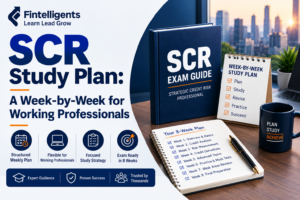
A realistic study plan spreads this across 8 to 12 weeks. Candidates with full-time jobs often need the longer end of that range.
Sample Study Timeline
• Weeks 1–3: Climate science and policy foundations
• Weeks 4–6: Green finance and sustainable investing concepts
• Weeks 7–9: Risk management frameworks and scenario analysis
• Weeks 10–12: Full-length practice exams and weak-area review
Consistency matters more than long study sessions. Short daily sessions beat occasional long cram sessions for most learners.
Best Study Resources for the SCR Exam
GARP provides an official eBook with every registration. This eBook covers the full curriculum and includes practice questions.
Many candidates also use third-party providers for extra practice. These resources add flashcards, mock exams, and video explanations.
What to Look For in Prep Material
• Updated content that matches the current exam year
• Practice questions with detailed explanations
• Case studies drawn from real institutions
• Mobile-friendly formats for study on the go
Avoid outdated study guides. Climate regulation changes fast, so old material can teach incorrect rules.
SCR Certification Career Path
The SCR credential opens doors across several finance sectors. It works well as a standalone certificate or alongside credentials like the FRM or CFA.
Roles That Value SCR Certification
• Climate risk analyst
• ESG risk manager
• Sustainable finance consultant
• Corporate sustainability officer
• Green bond analyst
• Regulatory compliance specialist
How Employers View This Credential
Hiring managers see SCR as proof of applied knowledge. It signals that a candidate understands both finance and climate frameworks together. This combination remains rare in the current job market.
Large banks, insurers, and asset managers increasingly list SCR as a preferred qualification. Some firms now require it for specific climate risk roles.
Building a Career Roadmap
Start by pairing SCR with your existing background. A credit analyst can move toward climate credit risk. An investment analyst can shift toward ESG-focused portfolios.
Networking also helps. GARP membership connects candidates with a global community of risk professionals. This network often leads to job referrals and mentorship.
SCR Salary Impact in the USA
Exact salary figures vary by role, location, and experience level. However, professionals with climate risk expertise generally earn more than generalist peers.
Sustainability-focused finance roles in the USA often pay a premium over standard analyst positions. This premium reflects the current shortage of qualified climate risk talent.
Certification alone will not guarantee a raise. Combined with relevant experience, though, it strengthens salary negotiations significantly.
Is the SCR Certification Worth It
This question depends on your career goals. For professionals targeting ESG, climate risk, or sustainable finance roles, the answer is usually yes.
Reasons It Often Pays Off
• Growing regulatory demand keeps skill relevance high
• Single-level exam saves time compared to multi-part credentials
• Global recognition supports international career moves
• Broad applicability across banking, insurance, and asset management
When It Might Not Fit
If your career has no link to sustainability or risk, the credential may add little value. Professionals outside finance should weigh other certifications first.
SCR vs Other Sustainability Credentials
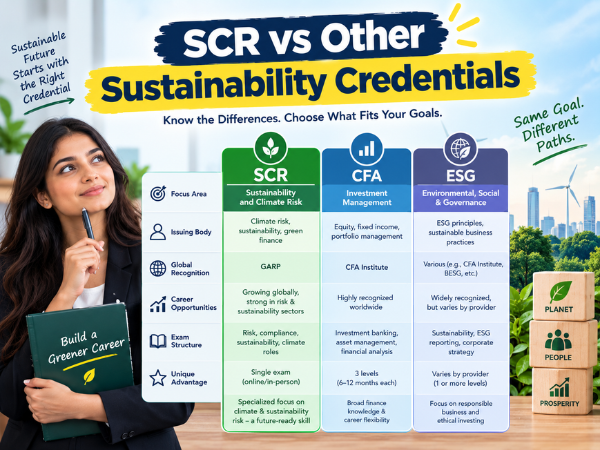
Several credentials compete in the sustainable finance space. The CFA Institute offers a Certificate in ESG Investing. Some professionals also consider the Certified ESG Analyst designation.
Key Differences
SCR focuses heavily on climate risk and financial impact. The CFA ESG certificate leans more toward investment analysis. Choose based on your target role rather than brand recognition alone.
Professionals who already hold an FRM often add SCR as a natural next step. The two credentials share a risk management foundation.
Common Mistakes Candidates Make
Many candidates underestimate the science components. Climate policy and science make up a meaningful part of the syllabus.
Mistakes to Avoid
• Skipping practice exams before the real test
• Relying only on the official eBook without practice questions
• Underestimating scenario analysis question difficulty
• Registering late and missing early-bird pricing
• Ignoring continuing education requirements after passing
Avoiding these mistakes improves both your pass rate and your long-term credential value.
Final Thoughts
The SCR Certification in USA fits professionals who want a practical entry point into climate finance. It has no strict prerequisites, a single exam level, and strong industry recognition.
Cost and study time remain reasonable compared to multi-level finance credentials. For the right career path, the return on investment looks strong.
Research current fees and exam dates directly on GARP’s official site before you register. Rules and pricing can shift from year to year.
Frequently Asked Questions
Ans: It is the Sustainability and Climate Risk credential offered by GARP. It proves knowledge of climate-related financial risk.
Ans: Anyone can register. GARP sets no mandatory prerequisites, though basic finance knowledge helps.
Ans: The exam fee typically falls between $650 and $750, depending on registration timing and membership status.
Ans: Most candidates need 100 to 150 study hours, spread across 8 to 12 weeks.
Ans: No. GARP does not require prior work experience to sit for the exam.
Ans: Yes. US banks, insurers, and asset managers increasingly recognize and value this credential.
Ans: Yes. Many professionals pair FRM with SCR to combine core risk management with climate specialization.
Ans: Common roles include climate risk analyst, ESG risk manager, sustainable finance consultant, and compliance specialist.
Ans: The credential requires continuing education credits to stay active, similar to other professional certifications.
Ans: No. SCR uses a single exam level, making it generally less demanding than the two-part FRM exam.