Blog
SCR Exam Eligibility: Complete Criteria & Age Limit 2026

Introduction
Climate risk has become a core business concern. Companies now need professionals who understand sustainability, ESG, and climate-related risks. The SCR Certificate meets this need. It validates your knowledge in sustainability and climate risk management. Many finance and risk professionals want this credential in 2026. But before you register, you must understand the SCR exam eligibility rules. SCR certification 2026his guide covers every eligibility detail you need, including the age limit, education criteria, and work experience norms.
What Is the SCR Exam
The SCR Exam stands for Sustainability and Climate Risk Exam. It tests your understanding of climate science, sustainable finance, and risk frameworks. The exam covers topics like transition risk, physical risk, carbon accounting, and climate governance. Passing this exam earns you the SCR Certificate. This certificate proves you can assess and manage climate-related risks in real business settings.
The exam suits professionals from many backgrounds. You do not need a finance degree to take it. The content stays practical and accessible. It avoids heavy mathematics and complex coding requirements.
Who Conducts the SCR Exam
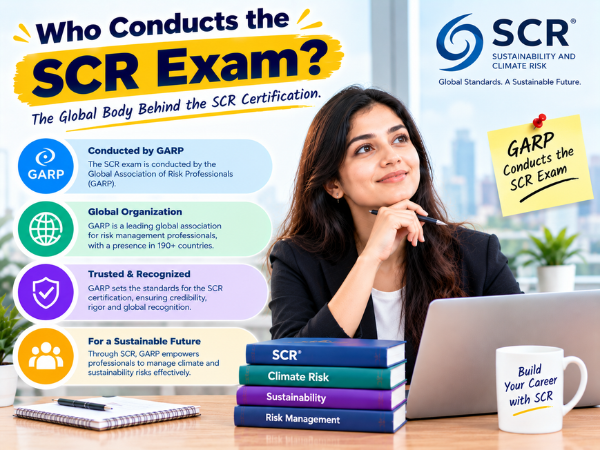
The Global Association of Risk Professionals, known as GARP, conducts the SCR Exam. GARP is a respected name in risk management education. It also runs the FRM certification, a globally recognized credential. GARP designed the SCR program with senior risk practitioners and climate experts. This ensures the certificate stays relevant to current industry needs.
GARP holds the SCR Exam twice every year. The exam windows usually fall in April and October. Candidates can choose between an online proctored test or an in-person test at a Pearson VUE center.
SCR Exam Eligibility Criteria 2026
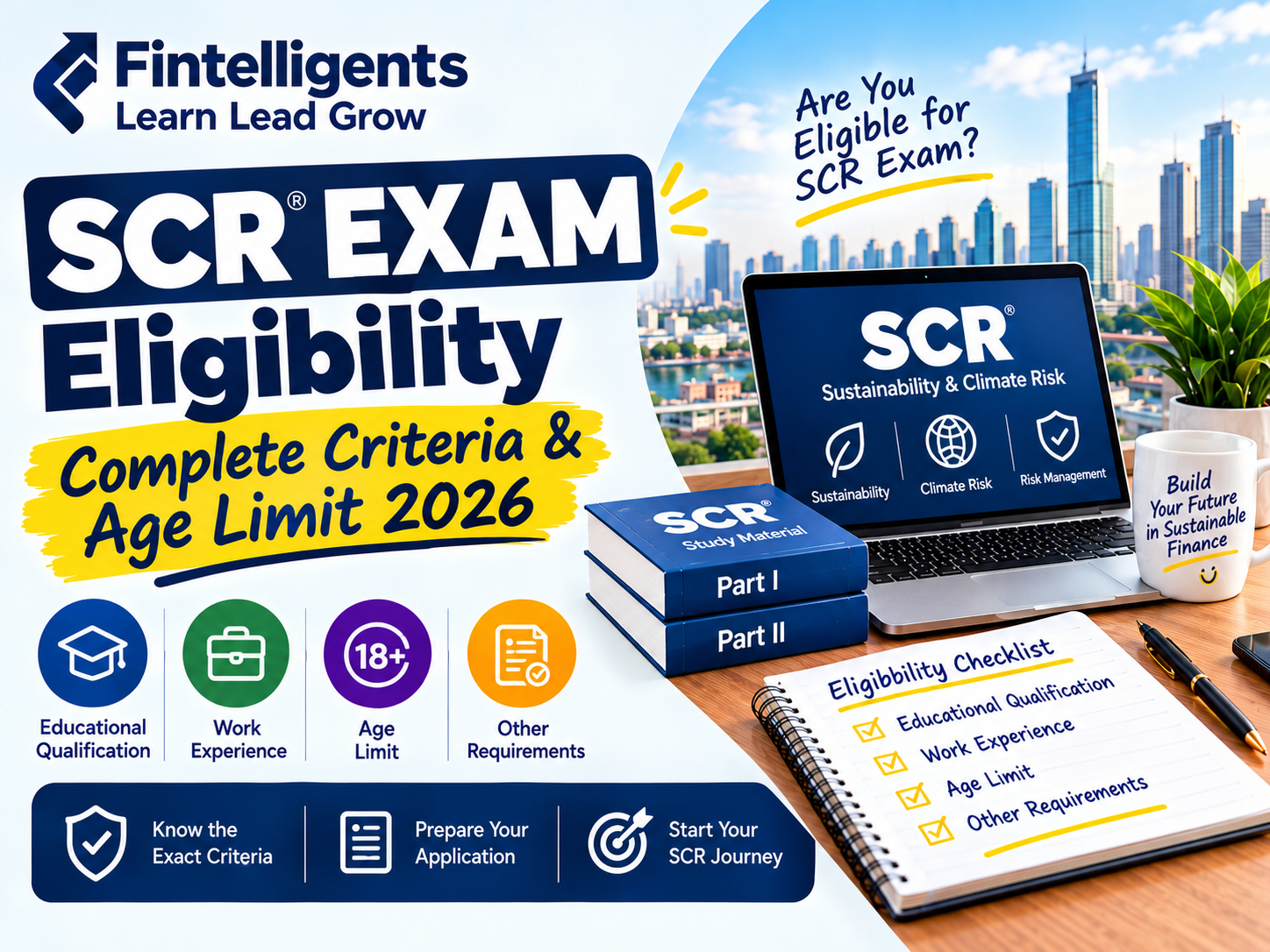
This is the most important section for aspiring candidates. The good news is simple. GARP keeps the SCR exam eligibility criteria open and flexible. There are no strict entry barriers. You do not need a specific degree. You do not need years of work experience. You do not need any prior certification either.
This open approach makes the SCR Certificate different from many other professional exams. Anyone with an interest in sustainability or climate risk can register. Students, working professionals, and career switchers can all apply. This flexibility helps GARP reach a wider and more diverse audience.
Summary of SCR Exam Eligibility Criteria
- No mandatory educational qualification
- No minimum work experience required
- No prior certification needed
- No specific field of study required
- Open to candidates from any professional background
Age Limit for SCR Exam
Many candidates search specifically for the SCR exam age limit. Here is the clear answer. GARP does not set any official age limit for the SCR Exam. Candidates of any age can register and appear for this exam. Whether you are a young graduate or an experienced professional, age does not restrict you.
However, most candidates who take the SCR Exam fall between 20 and 45 years old. This age range includes students entering the job market and professionals seeking a career shift. Since GARP places no upper or lower age boundary, older professionals can also pursue this certificate. Retired professionals or those planning a late career change can register too.
If you are a student below 18, you should confirm identity document requirements before registration. GARP requires a valid government ID for exam day verification. Beyond this basic requirement, no separate age rule applies.
Educational Qualification for SCR Exam
Unlike many finance certifications, the SCR exam does not demand a specific degree. You do not need a bachelor’s degree in finance, economics, or environmental science. GARP designed this exam to welcome candidates from varied academic paths.
Who Can Register Without a Degree
- Undergraduate students currently pursuing any degree
- Diploma holders from any stream
- Professionals with only a high school certification
- Career changers without formal finance education
This flexible education policy helps the SCR Certificate attract candidates from engineering, law, environmental studies, and general management backgrounds. GARP focuses more on your willingness to learn than your academic history.
Recommended Background
While not mandatory, some background helps you prepare faster. A basic understanding of business concepts helps. Familiarity with environmental or sustainability topics also helps. Candidates from finance, risk management, or corporate strategy often find the syllabus easier to grasp. Still, this remains a recommendation, not a rule.
Work Experience Requirement
Many professional certifications demand years of relevant work experience. The SCR Exam breaks this pattern. GARP requires zero years of prior work experience for SCR exam eligibility. You can register right after high school or during your college years.
This policy benefits several groups of candidates:
- Fresh graduates who want an early career advantage
- Students who want to build their resume before graduation
- Professionals switching from unrelated industries
- Homemakers or career-break professionals returning to work
Even though experience is not mandatory, GARP recommends practical exposure for better exam performance. Professionals working in risk, ESG reporting, sustainability consulting, or corporate strategy often understand the material faster. This exposure is helpful, not compulsory.
Who Should Apply for the SCR Exam
The SCR Certificate suits a wide range of professionals. Since eligibility stays open, almost anyone interested in climate risk can apply. Below are common candidate profiles.
Risk Management Professionals

Risk managers benefit directly from this certificate. Climate risk now affects credit risk, operational risk, and market risk. Understanding these connections helps risk professionals make better decisions.
Finance and Banking Professionals
Banks increasingly assess climate risk in lending and investment decisions. Finance professionals with SCR knowledge can support better risk-adjusted decision-making.
ESG and Sustainability Consultants
Consultants who advise companies on ESG reporting gain credibility through this certificate. It strengthens their technical foundation in climate science and regulation.
Students and Fresh Graduates
Students planning careers in green finance, ESG analysis, or sustainability reporting gain an early advantage. The certificate adds weight to entry-level applications.
Corporate Strategy and Compliance Teams
Professionals working on regulatory compliance or corporate strategy also benefit. Climate regulations are expanding worldwide. Understanding these frameworks becomes essential for long-term planning.
SCR Exam Registration Process
Once you confirm your eligibility, you can move to registration. The process stays simple and fully online.
Step 1: Create a GARP Account
Visit the official GARP website and create your candidate profile. You will need a valid email address and basic personal details.
Step 2: Choose Your Exam Window
Select either the April or October exam window, based on your preparation timeline.
Step 3: Pay the Registration Fee
Complete the payment through GARP’s secure payment gateway. Fees vary based on early, standard, or late registration deadlines.
Step 4: Select Your Test Format
Choose between an online proctored exam or an in-person test at a Pearson VUE center.
Step 5: Schedule Your Exam Slot
After registration, schedule your preferred date and time through the Pearson VUE portal.
Documents Required for Registration
Keep these documents ready before you begin registration:
- A valid government-issued photo ID
- A working email address for GARP communication
- Payment details for the exam fee
- Basic personal and contact information
GARP does not require educational certificates or experience letters during registration. This keeps the process quick and hassle-free.
SCR Exam Fees 2026
Exam fees typically include an enrollment fee and an exam fee. Early registration usually costs less than standard or late registration. GARP updates fee structures periodically, so candidates should check the official GARP website for the latest 2026 fee details before registering. Planning your registration early often helps you save on costs.
SCR Exam Pattern and Structure

Understanding the exam format helps you prepare with confidence.
Exam Format Details
- Total questions: 80 multiple-choice questions
- Includes one multi-part case study
- Total duration: 4 hours
- Grading: Pass or fail basis
- Mode: Online proctored or in-person CBT
Difficulty Level
The SCR Exam does not focus heavily on mathematics. GARP designed it to remain accessible for candidates from diverse educational backgrounds. The questions test conceptual understanding and practical application rather than complex calculations.
SCR Exam Syllabus Overview
The syllabus spans multiple chapters covering the full scope of climate risk management. Broad topic areas include:
- Foundations of climate change and climate science
- Sustainable development and green finance
- Climate risk measurement and management
- Governance, policy, and regulation
- Scenario analysis and stress testing
- Physical risk and transition risk
- Nature-related risk
- Carbon accounting and transition planning
Each topic area carries a specific weight in the final exam. Candidates should review the official GARP candidate guide for the most current syllabus breakdown and topic weightings.
Benefits of SCR Certification
Earning the SCR Certificate offers several career advantages.
Career Advancement
The certificate strengthens your resume for roles in ESG analysis, sustainable finance, and climate risk consulting.
Industry Recognition
GARP holds strong credibility in the global risk management community. This recognition adds value to your professional profile.
Cross-Industry Relevance
Climate risk knowledge applies across banking, insurance, manufacturing, and consulting sectors. This broad relevance increases your career flexibility.
Digital Credential
Certified professionals receive a digital badge and an electronic certificate. You can showcase this credential directly on LinkedIn and other professional platforms.
Tips to Prepare for the SCR Exam
Good preparation increases your chances of passing on the first attempt.
Start with the Official Candidate Guide
GARP’s official candidate guide outlines every topic and learning objective. Use it as your primary study resource.
Build a Study Schedule
Break the syllabus into weekly targets. Consistent study beats last-minute cramming.
Practice with Mock Questions
Practice tests help you understand the question style and manage your time during the actual exam.
Focus on Conceptual Clarity
Since the exam avoids heavy calculations, prioritize understanding concepts over memorizing formulas.
Review Case Studies Carefully
The multi-part case study carries significant weight. Practice analyzing real-world climate risk scenarios before exam day.
Conclusion
The SCR exam eligibility criteria for 2026 remain simple and inclusive. GARP places no restrictions on age, education, or work experience. This makes the SCR Certificate an accessible option for students, career changers, and experienced professionals alike. If you want to build expertise in sustainability and climate risk, this certificate offers a strong starting point. Review the official GARP resources, plan your preparation, and register for the exam window that fits your schedule.
Frequently Asked Questions
GARP sets no mandatory education, work experience, or age requirement. Anyone with interest in sustainability or climate risk can register.
No, GARP does not enforce any minimum or maximum age limit for SCR exam candidates.
No, candidates from any educational background can register for the SCR Exam.
No, GARP does not require any prior work experience to sit for the SCR Exam.
GARP conducts the SCR Exam twice a year, usually in April and October.
The exam includes 80 multiple-choice questions with one case study, completed within a 4-hour time limit.
Yes, students currently pursuing a degree or diploma can register for the SCR Exam.
No, GARP designed the exam to stay accessible for candidates from diverse professional backgrounds.